
Stepper motors are integral components in applications requiring precise control and incremental movement, making them popular in industries from 3D printing and robotics to CNC machinery. To harness the potential of a stepper motor, though, one essential component stands at the center: the stepper motor driver. This driver is responsible for translating digital control signals into precise motion, allowing for fine-tuned accuracy in various applications.
In this guide, we’ll cover everything you need to know about stepper motor drivers and how they operate within a controlled system. We’ll start with the essentials of stepper motor drivers—what they are, how they work, and why they’re vital to controlling motion. Following this, we’ll dive into critical topics, including stepper motor driver wiring configurations, which are essential for safe and reliable performance. Next, we’ll discuss stepper motor drivers with Modbus, a common communication protocol that enhances connectivity in more complex systems. Lastly, we’ll explore the role of the USB stepper motor controller in simplifying interfacing with modern computing devices.
Whether you’re designing a high-precision machine, troubleshooting a motorized system, or looking to upgrade your existing setup, this guide will provide valuable insights into each aspect of stepper motor control.
What is a Stepper Motor Driver and How Does it Work?
Stepper motor drivers are essential components in precision automation, bridging the gap between the control signals from a microcontroller or computer and the stepper motor itself. They are designed to receive input signals and convert them into carefully timed electrical pulses, which, in turn, control the movement and position of the stepper motor. By managing these signals, a stepper motor driver enables precise, incremental movements that are critical for applications like robotics, CNC machinery, 3D printing, and more.
The Role of Stepper Motor Drivers in Motion Control
At its core, a stepper motor driver’s job is to manage the current flow through the stepper motor’s windings to dictate the movement of the motor shaft. Unlike traditional motors that spin continuously, a stepper motor divides each full rotation into discrete steps. The driver takes advantage of this by controlling the power pulses sent to the motor, allowing it to turn by precise increments, or steps. This controlled motion is what makes stepper motors highly desirable for tasks that demand accuracy and repeatability.
Stepper motor drivers also ensure that the motor receives sufficient torque at each step. By regulating current and voltage, these drivers prevent overheating and provide the necessary power, whether the motor is running at a high or low speed. Advanced stepper motor drivers can even provide microstepping, a method that allows the motor to achieve smoother and finer movements by subdividing steps into smaller increments. This feature improves the motor’s resolution and decreases vibration, which is especially beneficial for applications requiring very smooth motion.
Key Components of a Stepper Motor Driver
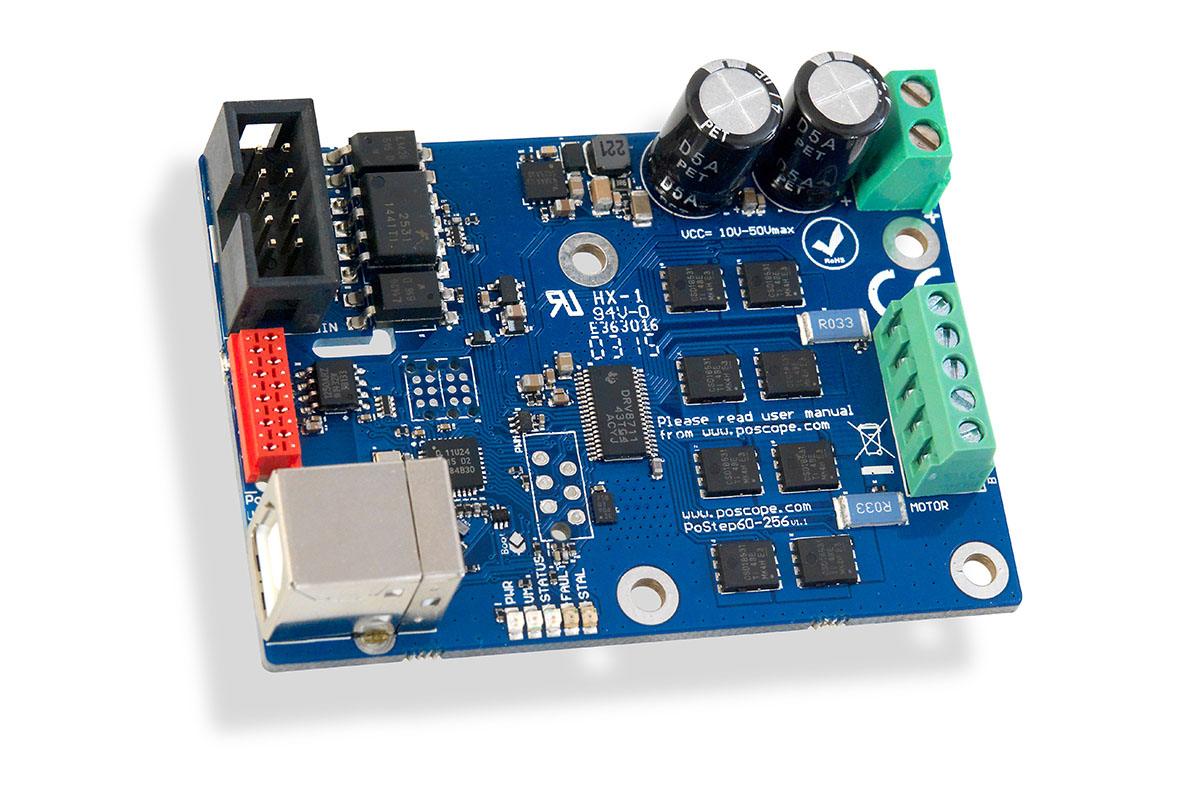
A stepper motor driver consists of several key elements that work together to control the motor’s movement:
- Pulse Generator: This generates the pulses that determine the stepping rate, effectively controlling the speed of the motor.
- Current Controller: It manages the amount of current flowing through the motor windings, critical for maintaining torque and preventing overheating.
- Microcontroller Interface: Many drivers include an interface to communicate with a microcontroller, allowing external devices to control the motor’s direction, speed, and position.
- Protection Circuitry: To avoid damage due to overheating or power surges, stepper motor drivers often include built-in protection circuits.
Types of Stepper Motor Drivers
Stepper motor drivers come in a variety of types, each suited to different needs. The most common ones are constant voltage drivers and constant current drivers. Constant voltage drivers are simpler and used in applications with lower power requirements, while constant current drivers are ideal for applications needing high torque at lower speeds.
Modern drivers also offer intelligent features like closed-loop control, which helps in monitoring motor performance and adjusting parameters in real-time to prevent issues like skipped steps or overheating. Closed-loop drivers are popular in industries where failure is costly and precision is paramount.
Why Stepper Motor Drivers Are Essential
The choice of stepper motor driver can make a significant difference in a motorized system’s performance. Without an adequate driver, the motor may experience issues such as missed steps, overheating, or insufficient torque—all of which compromise precision and reliability. A suitable stepper motor driver not only controls the motion effectively but also optimizes the motor’s efficiency, extending its lifespan and ensuring dependable operation in demanding environments.
Understanding the fundamentals of stepper motor drivers, from the role of each component to the importance of microstepping, is crucial when working with stepper motors in any application. This foundation sets the stage for exploring more advanced setups, like the right wiring configurations, integration with Modbus systems, and USB controllers, which we’ll cover in the following sections.
Stepper Motor Driver Wiring: Ensuring Safe and Efficient Connections
Proper wiring is crucial for the effective operation of stepper motors and their drivers, as the way you connect a stepper motor driver to both the motor and control signals directly impacts performance, reliability, and safety. This chapter will delve into various aspects of stepper motor driver wiring, including the necessary components, wiring configurations, and common mistakes to avoid, which are all essential for successfully setting up a stepper motor system.
To understand stepper motor wiring, it’s important to familiarize yourself with the key components involved. The stepper motor is the electromechanical device that converts electrical energy into precise rotational movement. The stepper motor driver plays a pivotal role in this system by receiving control signals from a microcontroller and supplying power to the motor. Meanwhile, the microcontroller generates the signals needed to control the stepper motor, sending direction and step commands to the driver. Additionally, a suitable power supply is crucial, as it provides the correct voltage and current required by both the motor and driver. Ensuring that each of these components is correctly wired is vital for optimal performance.
When it comes to wiring configurations, the setup can vary based on the specific driver and type of motor, whether it’s unipolar or bipolar. Unipolar motors generally have five or six wires. In a five-wire setup, a center tap serves as a common connection, while the other four wires connect to the motor phases. The driver sends current to individual phases to facilitate rotation. In this case, a common wiring sequence involves connecting the motor phases to the appropriate outputs on the driver while linking the common wire to the power supply.
Conversely, bipolar motors usually have four wires, with each wire corresponding to the two motor coils. Unlike unipolar motors, bipolar motors require current to flow in both directions through the coils, which means that wiring a bipolar stepper motor involves connecting the two coils to the driver outputs. The driver then switches the current direction to achieve movement, necessitating correct connections to avoid damage.
Selecting the right power supply is also essential for effective stepper motor operation. When wiring a stepper motor driver, ensuring that the power supply voltage matches the driver and motor specifications is crucial. Over-voltage can damage components, while under-voltage can lead to insufficient torque. Additionally, the power supply must provide adequate current to support the motor’s requirements, especially during peak loads. A supply rated higher than the maximum current requirement of the motor is advisable to accommodate peak demands, ensuring reliable performance.
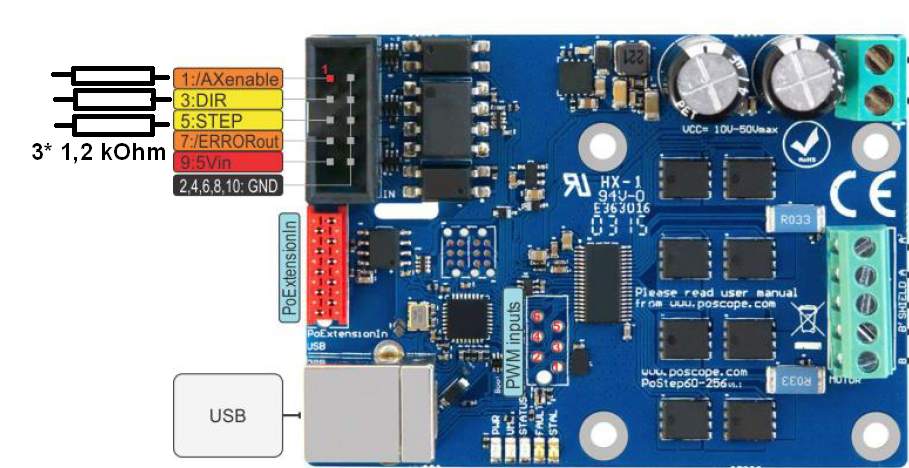
Wiring mistakes can lead to significant issues such as overheating, loss of steps, or even permanent damage to the components. One common pitfall is making incorrect connections, so it’s essential to double-check the wiring diagrams for your specific stepper motor and driver to avoid failure in motion or damage to the driver. Additionally, using a power supply that does not meet the voltage and current specifications can compromise performance; therefore, it is always wise to select a power supply that exceeds the motor’s maximum current rating. Another key consideration is ensuring that all components share a common ground to prevent signal noise and interference, which can lead to erratic motor behavior.
After wiring your stepper motor driver, testing the system before full operation is crucial. Start by checking all connections for security and correctness. Power on the system and run simple test commands to observe the motor’s response. If the motor behaves erratically or fails to move, consider troubleshooting steps such as checking for short circuits with a multimeter or reviewing the control signals to ensure that the microcontroller is sending the correct step and direction commands. Additionally, verifying that the power supply is functioning and providing the necessary voltage and current can help identify and resolve issues.
Proper wiring of a stepper motor driver is essential for achieving smooth, precise motion control in various applications. By understanding the components, wiring configurations, and potential pitfalls, you can ensure a reliable and efficient setup. In the next chapter, we will explore how integrating Modbus communication with stepper motor drivers enhances system capabilities and connectivity.
Integrating Modbus Communication with Stepper Motor Drivers
In an era where connectivity and automation are paramount, integrating communication protocols like Modbus with stepper motor drivers enhances the capabilities of motion control systems. Modbus, a widely adopted protocol, facilitates communication between devices in industrial environments, allowing multiple devices to communicate over a single network. This chapter will delve into the significance of Modbus in controlling stepper motors, its benefits, implementation, and how it simplifies complex automation tasks.
The Significance of Modbus in Motion Control
Modbus provides a standardized communication protocol that allows for seamless integration between various devices, including PLCs, sensors, and stepper motor drivers. By utilizing Modbus, users can control multiple stepper motors from a centralized control unit, significantly simplifying the management of complex systems. The protocol supports both serial (RS-232/RS-485) and TCP/IP communication, enabling flexibility in the setup and deployment of stepper motor control systems.
One of the main advantages of using Modbus with stepper motor drivers is the ability to monitor and control multiple motors simultaneously. This capability is particularly beneficial in applications such as conveyor systems, automated machinery, and robotics, where precise coordination of multiple motors is essential. Modbus also allows for real-time monitoring of motor status, providing valuable feedback regarding position, speed, and fault conditions. This feedback is critical for ensuring optimal performance and making necessary adjustments during operation.
Implementing Modbus with Stepper Motor Drivers
Implementing Modbus communication with a stepper motor driver involves several steps, starting with selecting a driver that supports the Modbus protocol. Many modern drivers come with built-in support for Modbus RTU or TCP, making integration straightforward. The next step is to configure the driver settings to establish communication parameters, such as baud rate, data bits, stop bits, and parity. Ensuring these settings match across all devices in the network is crucial for successful communication.
After configuring the driver, the connection between the Modbus master (typically a PLC or a PC) and the driver must be established. For serial communication, this usually involves connecting the appropriate pins for the RS-232 or RS-485 interface. In the case of TCP/IP, the connection involves network configurations, including IP addresses and port settings. Once the hardware connections are established, the software setup can begin.
Developing the software to communicate with the stepper motor driver over Modbus typically involves using a programming environment that supports Modbus libraries. These libraries provide functions to read and write registers, allowing the control of motor parameters such as position, speed, and acceleration. The Modbus master can send commands to the driver to initiate movement, change speed, or query the motor’s status. This software layer enables users to create robust control systems tailored to their specific needs.
Benefits of Using Modbus with Stepper Motor Drivers
The integration of Modbus communication with stepper motor drivers provides several benefits that enhance the efficiency and reliability of automation systems. Firstly, it significantly reduces wiring complexity. Instead of running individual control lines to each motor, Modbus allows multiple devices to communicate over a single communication line, simplifying installation and reducing costs.
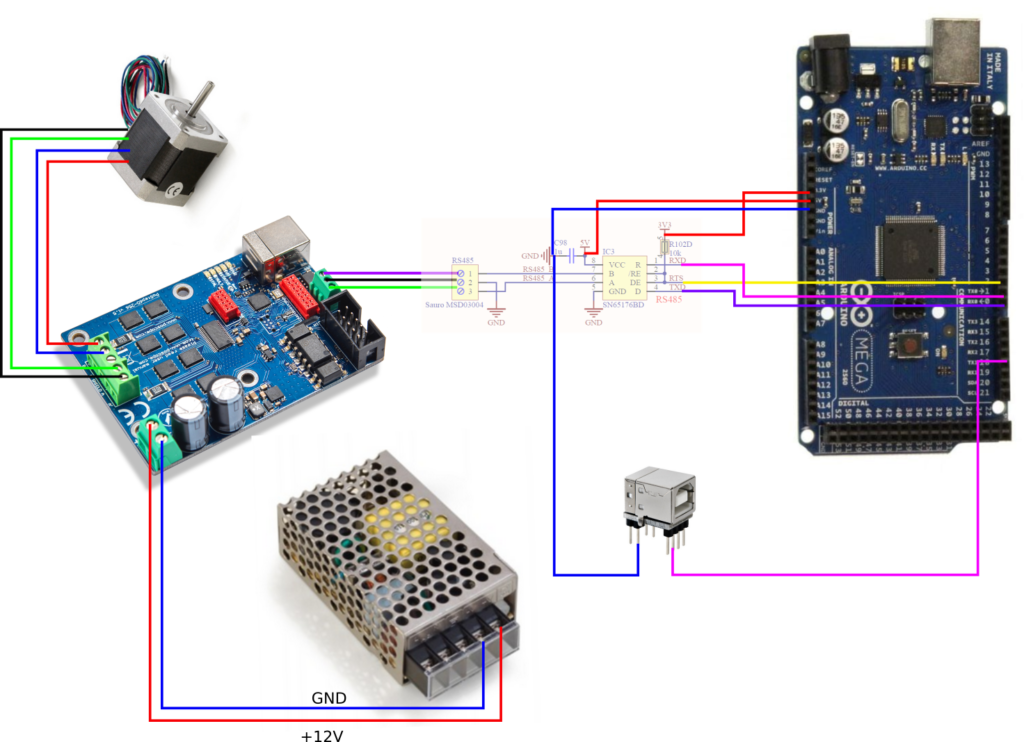
Moreover, Modbus supports a wide range of devices, making it easier to integrate stepper motors with other automation equipment. This interoperability is critical for creating cohesive control systems where different components work together seamlessly. The protocol’s ability to facilitate real-time monitoring and control also enhances system reliability, as operators can receive immediate feedback on motor performance and address any issues proactively.
Real-World Applications of Modbus in Stepper Motor Control
The application of Modbus in controlling stepper motor drivers is evident in various industries. In manufacturing, for example, automated assembly lines often utilize Modbus-enabled stepper motors to achieve precise and synchronized movement, enhancing production efficiency. In robotics, Modbus can coordinate the movements of multiple motors to ensure smooth operation and interaction between robotic arms and end effectors.
Additionally, Modbus is frequently used in HVAC systems, where stepper motors control dampers and valves. The ability to monitor and adjust these components in real time improves energy efficiency and system performance. Overall, the integration of Modbus communication with stepper motor drivers not only streamlines control processes but also opens up new possibilities for automation.
By understanding how to effectively implement Modbus with stepper motor drivers, you can enhance the capabilities of your motion control systems significantly. In the following chapter, we will explore the role of USB stepper motor controllers, which provide an accessible way to interface stepper motors with modern computing devices.
USB Stepper Motor Controllers: Bridging the Gap Between Software and Hardware
In today’s technologically driven landscape, the demand for intuitive interfaces that connect hardware with software solutions has surged. USB stepper motor controllers are at the forefront of this trend, providing a user-friendly way to manage stepper motors through personal computers or embedded systems. This chapter will explore the functionality, advantages, and applications of USB stepper motor controllers, highlighting how they simplify the process of controlling stepper motors in various projects and industries.
Understanding USB Stepper Motor Controllers
A USB stepper motor controller serves as an interface between a computer and a stepper motor driver, allowing users to send commands directly to the motor from their computer. This controller typically connects to a USB port on a PC, translating digital signals from software into the electrical pulses required by the stepper motor driver. The controller manages functions such as direction, speed, and position, enabling precise control over the motor’s movements.
One of the significant advantages of USB stepper motor controllers is their compatibility with various software platforms. Many controllers come with dedicated software or APIs that allow users to create custom control applications tailored to their specific needs. This flexibility makes it easy for engineers, hobbyists, and researchers to experiment with different motor settings and behaviors without needing extensive programming knowledge.
Advantages of Using USB Stepper Motor Controllers
One of the standout benefits of utilizing USB stepper motor controllers is their ease of use. Connecting a stepper motor to a computer via USB typically requires minimal setup and configuration, significantly reducing the complexity associated with traditional wiring methods. This plug-and-play capability allows users to get their systems up and running quickly, making USB controllers particularly appealing for rapid prototyping and development.
Moreover, USB stepper motor controllers often feature built-in functionalities that enhance their performance. Many come equipped with options for microstepping, enabling smoother and more precise motor control. This feature is especially important in applications where fine movements are crucial, such as in 3D printing or CNC machining. The ability to easily adjust settings through software allows users to optimize motor performance for their specific tasks.

Another advantage is the real-time feedback capabilities offered by USB stepper motor controllers. Many models can provide information about the motor’s position, speed, and operational status back to the computer. This feedback loop is invaluable for monitoring performance and making adjustments on the fly, ensuring that the motor operates within desired parameters.
Applications of USB Stepper Motor Controllers
The versatility of USB stepper motor controllers lends itself to a wide range of applications across various fields. In the realm of education and research, these controllers are often used in laboratories and academic settings to teach students about motion control systems and robotics. The straightforward interface allows learners to engage with the technology without being bogged down by complex setups.
In the industrial sector, USB stepper motor controllers are employed in automated machinery and manufacturing processes. They facilitate precise movement and control of conveyor belts, robotic arms, and other equipment. Their ability to communicate with computer systems enables seamless integration into larger automation frameworks, enhancing overall efficiency.
Hobbyists and DIY enthusiasts also find USB stepper motor controllers incredibly useful. Whether building a 3D printer, a CNC machine, or a robotic project, these controllers provide an accessible way to manage stepper motors. The availability of various open-source software options further supports experimentation and innovation, allowing users to customize their projects to fit specific needs.
Read also:
- Understanding Stepper Motor Drivers and Their Applications
- A Comprehensive Guide to Stepper Motor Drivers: Manuals, Modbus, Current, and Automation Control Devices
Choosing the Right USB Stepper Motor Controller
When selecting a USB stepper motor controller, several factors come into play. Compatibility with existing hardware, such as stepper motor drivers and power supplies, is crucial. It’s also important to consider the software support available for the controller. Many options come with user-friendly software interfaces, but some may require programming knowledge to take full advantage of their features.
Another consideration is the number of axes the controller can manage. For projects requiring multiple motors, choosing a controller that can handle several axes simultaneously is essential. Additionally, exploring the available features, such as microstepping options, feedback capabilities, and configuration settings, can help ensure that the controller meets the specific demands of your application.
In summary, USB stepper motor controllers are invaluable tools that bridge the gap between software and hardware, providing an accessible means of controlling stepper motors. Their ease of use, versatility, and compatibility with various applications make them an excellent choice for both hobbyists and professionals alike. As we conclude this comprehensive guide, we will quickly revisit the key concepts discussed in each chapter, emphasizing the importance of understanding stepper motor drivers, wiring configurations, Modbus integration, and USB controllers in modern motion control systems.
Key Insights on Stepper Motor Drivers and Control Solutions
In this guide, we’ve explored the intricate world of stepper motor drivers, wiring configurations, Modbus integration, and USB controllers, each playing a crucial role in the precise control of stepper motors across various applications. Understanding these components and how they work together is essential for anyone involved in automation, robotics, or motion control.
We began with an in-depth look at stepper motor drivers, which serve as the central hub for controlling motor movements. These drivers convert control signals into the electrical pulses needed to operate stepper motors, allowing for accurate positioning and speed regulation. We also discussed the importance of selecting the right driver type based on the specific needs of your application, whether using constant voltage or constant current drivers.
Next, we examined the wiring configurations necessary for connecting stepper motor drivers to the motors themselves. Proper wiring ensures efficient power delivery and prevents common issues such as overheating and missed steps. We emphasized the need for meticulous attention to detail during the wiring process, as even small mistakes can lead to significant problems in motor operation.
The integration of Modbus communication with stepper motor drivers introduced a new level of sophistication in controlling multiple motors within a network. This standardized communication protocol allows for seamless coordination between various devices, enhancing the overall performance of automated systems. We highlighted the advantages of real-time monitoring and control, which are essential for maintaining system reliability and efficiency.
Finally, we explored USB stepper motor controllers, which provide an intuitive interface for managing stepper motors from a computer. These controllers simplify the setup process and enable users to leverage software tools for custom control applications. Their versatility makes them ideal for educational purposes, industrial automation, and hobbyist projects alike.
In conclusion, mastering the concepts surrounding stepper motor drivers, their wiring, Modbus integration, and USB controllers is vital for achieving reliable and precise motion control in a wide range of applications. By understanding these elements, engineers, hobbyists, and researchers can create innovative solutions that enhance productivity and efficiency in their projects. As technology continues to evolve, the importance of effective motor control systems will only increase, making this knowledge even more valuable in the future.